
Introduction
In today’s rapidly evolving construction landscape, the demand for robust, durable, and sustainable buildings is paramount. Lida Group has emerged as a leader in the prefabricated steel structure industry, offering innovative solutions that cater to modern needs. Among their standout offerings is the aseismatic high strength long life span steel structure building. This article explores the features, advantages, applications, and future trends of these remarkable structures.
Understanding Steel Structure Buildings
What Are Steel Structure Buildings?
Steel structure buildings are constructed primarily from steel frameworks, offering enhanced strength and flexibility compared to traditional building materials. These structures are used for various applications, from warehouses to commercial spaces, and are designed to meet diverse environmental requirements.
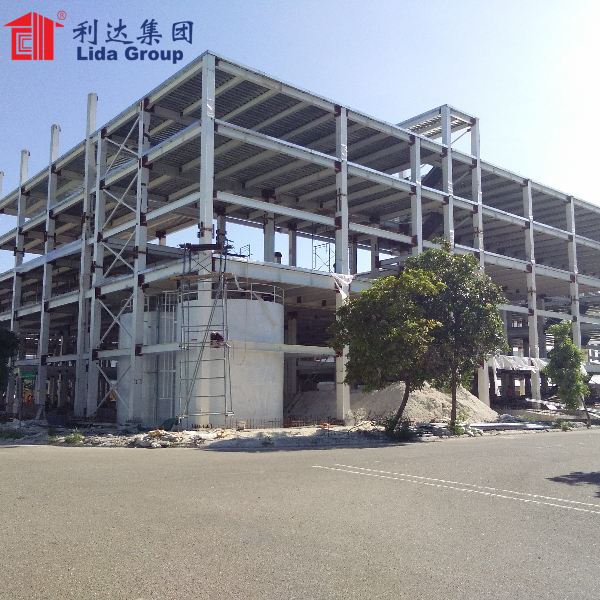
Key Features of Lida Group’s Steel Structures
- Aseismatic Design: Engineered to resist seismic forces, ensuring safety in earthquake-prone areas.
- High Strength Materials: Utilizes high-grade steel for superior structural integrity.
- Long Life Span: Designed for longevity, requiring minimal maintenance.
- Customizable Designs: Flexible layouts to accommodate various functional needs.
Benefits of Aseismatic High Strength Steel Structures
1. Enhanced Safety
Safety is a top priority in building design, especially in seismic zones:
- Seismic Resilience: Lida Group’s structures are designed to withstand earthquakes, protecting occupants and assets.
- Structural Integrity: High-strength materials ensure that buildings can endure extreme conditions.
2. Durability and Longevity
Steel structures are known for their impressive lifespan:
- Weather Resistance: Steel is resistant to decay, pests, and harsh weather, ensuring long-term performance.
- Low Maintenance: Minimal upkeep requirements contribute to cost savings over time.
3. Cost Efficiency
Investing in steel structures can lead to significant financial benefits:
- Reduced Construction Time: Prefabrication allows for faster assembly, decreasing labor costs.
- Energy Efficiency: Well-insulated steel buildings can lead to lower utility bills.
4. Sustainability
Steel is one of the most sustainable building materials available:
- Recyclability: Steel can be recycled multiple times without losing its quality.
- Lower Carbon Footprint: Utilizing steel reduces the environmental impact of construction.
Aseismatic Design: Importance and Features
What is Aseismic Design?
Aseismic design involves engineering practices that enhance a building’s ability to withstand seismic forces during an earthquake. This is crucial for ensuring the safety and functionality of structures in high-risk areas.
Key Features of Aseismic Design in Lida Group’s Buildings
- Flexible Framework: Allows for slight movements during seismic events without compromising structural integrity.
- Base Isolation Systems: Incorporates technologies that absorb seismic energy, protecting the building.
- Material Selection: High-strength steel that endures dynamic loads effectively.
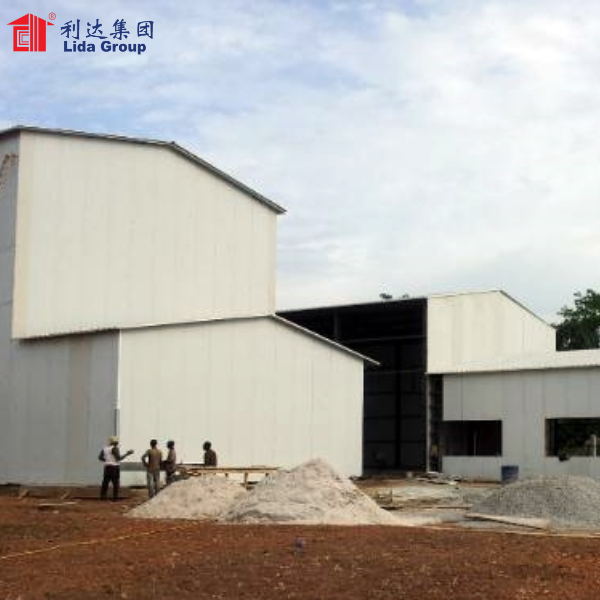
Importance of Aseismic Design
In earthquake-prone regions, aseismic design is essential:
- Life Safety: Protects occupants and minimizes casualties during seismic events.
- Operational Continuity: Ensures that buildings remain functional immediately after an earthquake.
Applications of Steel Structure Buildings
1. Industrial Facilities
Steel structures are widely utilized in industrial applications:
- Manufacturing Plants: Ideal for housing machinery and production lines.
- Storage Facilities: Provides ample space for inventory and materials.
2. Commercial Spaces
Many businesses benefit from steel structure buildings:
- Retail Outlets: Flexible designs accommodate various retail formats.
- Office Buildings: Steel structures provide modern, open-plan office environments.
3. Agricultural Buildings
In agriculture, steel structures serve multiple purposes:
- Equipment Storage: Protects farming equipment from the elements.
- Livestock Housing: Durable and versatile, suitable for various agricultural needs.
4. Educational Institutions
Steel buildings can also be used in educational settings:
- Classrooms: Flexible layouts can be adapted to suit different teaching methods.
- Recreational Facilities: Provides space for sports and community events.
Addressing Common Concerns
1. Initial Investment Costs
While steel structures may have higher upfront costs, the long-term savings in maintenance and energy efficiency often outweigh these initial expenses.
2. Aesthetic Flexibility
Modern steel buildings can be designed to blend with various architectural styles, utilizing different finishes and colors to enhance visual appeal.
3. Regulatory Compliance
Lida Group ensures that all structures meet local building codes and regulations, providing clients with peace of mind regarding compliance.
The Future of Steel Structure Buildings
Emerging Trends
- Technological Innovations: Advances in construction technology will enhance the efficiency and capabilities of steel structures.
- Sustainability Initiatives: The emphasis on eco-friendly building practices will continue to grow.
- Smart Building Solutions: Integrating IoT and smart technologies will revolutionize building management.
Lida Group’s Commitment
Lida Group is dedicated to leading the steel structure industry through innovation and sustainability. Their focus on quality, safety, and customer satisfaction positions them as a trusted partner in construction.
Conclusion
Lida Group’s aseismatic high strength long life span steel structure buildings represent a significant advancement in modern construction. With their durability, cost efficiency, and adaptability, these structures are well-suited to meet the diverse needs of industries today. As we look to the future, the continued evolution of steel structure technology will play a pivotal role in shaping the landscape of construction and architectural solutions.
Contact Us
Post time: Aug-19-2024